ERP Tools for Project Management: Orchestrating Success in Complex Endeavors
In today’s fast-paced business environment, project management has evolved from a niche discipline into a core strategic function. Organizations across all industries are increasingly relying on projects to drive innovation, implement change, and achieve strategic objectives. However, managing complex projects – those involving diverse teams, intricate timelines, vast resources, and substantial budgets – presents a formidable challenge. Traditional project management tools, while effective for individual project tasks, often fall short in providing the holistic, integrated view required to navigate these complexities successfully. This is where Enterprise Resource Planning (ERP) tools emerge as a transformative force, offering a centralized, comprehensive platform to orchestrate every facet of project management.
This article delves into the profound impact of ERP tools on project management, exploring how their integrated capabilities address long-standing challenges, enhance efficiency, and ultimately contribute to superior project outcomes. We will examine the core functionalities of ERP relevant to project management, the significant benefits they bring, the challenges of implementation, and the future trajectory of this powerful synergy.
The Evolving Landscape of Project Management
Modern projects are characterized by several factors that necessitate advanced management solutions:
- Increased Complexity: Projects often span multiple departments, involve external stakeholders, and require sophisticated coordination.
- Globalized Teams: Project teams are frequently distributed across different geographical locations, demanding robust communication and collaboration tools.
- Dynamic Environments: Market shifts, technological advancements, and regulatory changes mean project plans must be flexible and adaptable.
- Resource Scarcity: Optimizing the allocation and utilization of human, financial, and material resources is critical for project viability.
- Demand for Real-time Visibility: Stakeholders require instant access to project status, performance metrics, and financial health to make informed decisions.
These demands highlight the limitations of siloed tools, where project plans might reside in one system, financial data in another, and resource availability in yet another. Such fragmentation leads to inefficiencies, data inconsistencies, delayed decision-making, and an increased risk of project failure. The need for a unified system capable of bridging these gaps has never been more apparent.
Understanding ERP: Beyond Traditional Silos
At its core, ERP is a suite of integrated software applications that an organization can use to manage and integrate the essential parts of its business. Many ERP software applications are critical to companies because they help them implement resource planning by integrating all the processes needed to run their companies with a single system. An ERP system typically integrates all facets of an operation, including product planning, development, manufacturing, sales and marketing, in a single database, application, and user interface.
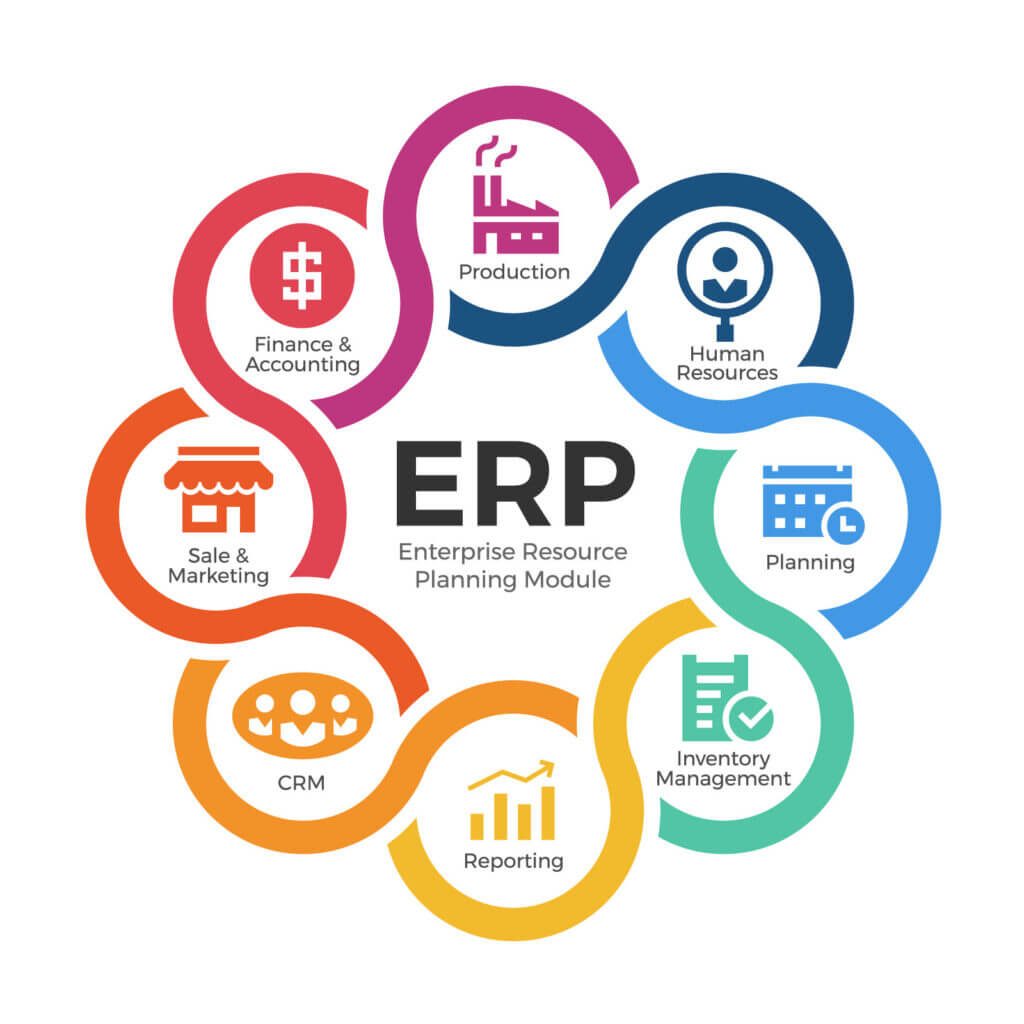
While traditionally associated with manufacturing, finance, and supply chain operations, modern ERP systems have evolved to encompass a broader range of functionalities, making them incredibly potent for project-centric organizations. Key modules within an ERP system that are particularly relevant to project management include:
- Financial Management: General ledger, accounts payable/receivable, budgeting, forecasting, cost accounting.
- Human Capital Management (HCM): Payroll, talent management, time tracking, employee self-service.
- Supply Chain Management (SCM): Procurement, inventory management, logistics.
- Manufacturing/Production: Production planning, quality control, shop floor control (for projects involving production).
- Customer Relationship Management (CRM): Sales, marketing, customer service (relevant for client-facing projects).
- Project Management Module: Specifically designed functionalities for project planning, execution, monitoring, and control.
The power of ERP lies in its ability to centralize data from all these modules into a single, unified database. This eliminates data duplication, ensures data integrity, and provides a "single source of truth" for all business information, including project-related data.
The Synergy: How ERP Elevates Project Management
The integration of ERP capabilities with project management functionalities creates a powerful synergy that transforms how projects are planned, executed, and monitored.
1. Comprehensive Resource Management
Projects are fundamentally about managing resources – people, equipment, materials, and finances. ERP excels in this area by providing:
- Human Resource Allocation: Project managers can access real-time data on employee skills, availability, certifications, and current assignments across the entire organization. This allows for optimal team formation, prevents over-allocation, and identifies skill gaps proactively. Integration with HCM modules ensures accurate payroll and benefits tracking for project personnel.
- Equipment and Asset Management: For projects requiring specialized machinery or tools, ERP tracks asset location, maintenance schedules, utilization rates, and depreciation. This ensures equipment is available when needed, minimizes downtime, and optimizes asset lifecycles.
- Material Tracking: Through integration with SCM modules, ERP provides visibility into material availability, procurement lead times, inventory levels, and delivery schedules. This is crucial for construction, manufacturing, or R&D projects to avoid delays caused by material shortages.
2. Robust Financial Management and Budget Control
Financial oversight is paramount for project success. ERP’s financial modules provide unparalleled control:
- Real-time Cost Tracking: Every expense related to a project – labor hours, material purchases, subcontractor invoices, travel – is automatically captured and attributed to the specific project. This provides an accurate, real-time view of actual costs versus budgeted costs.
- Budgeting and Forecasting: Project managers can develop detailed budgets within the ERP system, linked directly to tasks and resources. The system can then generate forecasts based on progress and remaining work, enabling proactive adjustments.
- Invoice Processing and Expense Management: Automation of invoice approvals and expense reimbursements streamlines financial workflows, reduces administrative burden, and ensures timely payments to vendors and employees.
- Revenue Recognition: For client-facing projects, ERP helps manage contracts, track progress billing, and ensures accurate revenue recognition in compliance with accounting standards.
3. Enhanced Project Planning and Scheduling
While specialized project management software excels in scheduling, ERP provides the crucial context by linking schedules to available resources and budgets:
- Work Breakdown Structure (WBS): ERP systems facilitate the creation of detailed WBS, breaking down large projects into manageable tasks and sub-tasks.
- Integrated Scheduling: Project schedules can be directly linked to resource availability from HCM, material delivery from SCM, and budget allocations from finance. This ensures that schedules are realistic and achievable.
- Critical Path Analysis: Many ERP project modules offer tools for identifying the critical path, helping project managers focus on tasks that directly impact project completion dates.
- Dependency Management: The system can track dependencies between tasks and alert managers to potential bottlenecks or delays that could impact subsequent activities.
4. Streamlined Procurement and Supply Chain Management
For projects heavily reliant on external suppliers and materials, ERP’s SCM capabilities are invaluable:
- Automated Procurement: From requisitions to purchase orders and goods receipt, the entire procurement process can be automated and tracked within the ERP, ensuring materials are ordered efficiently and arrive on time.
- Vendor Management: ERP maintains a centralized database of approved vendors, contract terms, and performance history, facilitating better supplier selection and negotiation.
- Inventory Optimization: For projects requiring a dedicated stock of materials, ERP helps manage inventory levels, reducing holding costs and preventing stockouts.
5. Proactive Risk Management
By centralizing data and providing real-time insights, ERP contributes significantly to risk mitigation:
- Early Warning Systems: Deviations from budget, schedule delays, or resource conflicts are flagged early, allowing project managers to intervene before minor issues escalate into major problems.
- Data-Driven Decision Making: Access to historical project data and real-time performance metrics enables better risk assessment and the development of more robust contingency plans.
- Compliance Tracking: For regulated industries, ERP can help ensure projects adhere to industry standards and regulatory requirements by embedding compliance checks into workflows.
6. Improved Collaboration and Communication
ERP systems act as a central hub for all project-related information, fostering better collaboration:
- Single Source of Truth: All project stakeholders access the same, up-to-date data, eliminating confusion and ensuring everyone is working with accurate information.
- Document Management: Project documents, plans, contracts, and communications can be stored and managed within the ERP, making them easily accessible and version-controlled.
- Workflow Automation: Automated approval workflows for tasks, expenses, and change requests streamline communication and accelerate decision-making.
7. Powerful Reporting and Analytics
The integrated nature of ERP allows for unparalleled reporting capabilities:
- Real-time Dashboards: Project managers and stakeholders can view customizable dashboards displaying key performance indicators (KPIs) such as budget vs. actuals, schedule adherence, resource utilization, and risk status.
- Comprehensive Reporting: ERP can generate a wide range of reports, from detailed financial statements to summary project status reports, tailored to different audiences.
- Predictive Analytics: Leveraging historical project data, some advanced ERP systems can offer predictive analytics to forecast future performance, identify potential risks, and optimize resource allocation for upcoming projects.
Key Benefits of Integrating ERP with Project Management
Beyond the specific functionalities, the overarching benefits of using ERP for project management are transformative:
- Enhanced Visibility and Transparency: A unified view of all project aspects – financial, operational, and resource-related – empowers stakeholders with complete transparency.
- Improved Decision-Making: Real-time, accurate data enables faster and more informed decisions, leading to better project outcomes.
- Increased Efficiency and Productivity: Automation of routine tasks, streamlined workflows, and optimized resource allocation significantly boost operational efficiency.
- Better Resource Utilization: Optimal deployment of human, material, and financial resources across multiple projects reduces waste and maximizes ROI.
- Accurate Financial Control: Precise tracking of costs, revenues, and budgets ensures projects remain financially viable and profitable.
- Reduced Risks: Early identification of potential issues, coupled with data-driven insights, helps mitigate risks effectively.
- Standardization and Best Practices: ERP encourages the adoption of standardized processes and best practices across all projects, improving consistency and quality.
- Scalability: As organizations grow and project portfolios expand, an ERP system can scale to accommodate increasing complexity and data volumes.
Challenges and Considerations for Implementation
Despite the myriad benefits, implementing an ERP system for project management is a significant undertaking that comes with its own set of challenges:
- High Initial Cost: ERP systems, especially enterprise-grade solutions, require substantial investment in software licenses, hardware, implementation services, and training.
- Complexity of Implementation: Integrating diverse business processes and migrating existing data can be a complex, time-consuming, and resource-intensive process.
- Data Migration: Ensuring the accurate and complete migration of historical project data, financial records, and resource information can be challenging.
- User Adoption and Training: Resistance to change and a steep learning curve can hinder user adoption. Adequate training and change management strategies are crucial.
- Customization vs. Standard Features: While customization can tailor the ERP to specific needs, it can also increase costs, complexity, and make future upgrades more difficult. Balancing specific requirements with out-of-the-box functionalities is key.
- Vendor Lock-in: Choosing an ERP vendor is a long-term commitment, and switching can be disruptive and costly.
- Data Security and Privacy: Centralizing sensitive project and financial data necessitates robust security measures and compliance with data protection regulations.
To overcome these challenges, organizations must conduct thorough planning, secure executive sponsorship, involve key stakeholders throughout the process, and partner with experienced implementation specialists.
Choosing the Right ERP Solution for Project Management
Selecting an ERP system is a strategic decision. Organizations should consider:
- Specific Project Management Needs: Identify the critical functionalities required (e.g., strong financial integration, complex resource scheduling, specific industry compliance).
- Industry Fit: Some ERPs are tailored to specific industries (e.g., construction, engineering, IT services) and offer specialized project management modules.
- Scalability: Ensure the system can grow with the organization’s future project portfolio and business needs.
- Integration Capabilities: Assess how well the ERP integrates with other existing systems and tools.
- User-Friendliness: An intuitive interface promotes higher user adoption and reduces training overhead.
- Vendor Reputation and Support: Evaluate the vendor’s track record, customer support, and commitment to ongoing development.
- Cloud vs. On-premise: Cloud-based ERP offers flexibility, lower upfront costs, and easier maintenance, while on-premise provides more control over data and customization.
The Future of ERP in Project Management
The evolution of ERP tools for project management is far from over. Future trends include:
- Artificial Intelligence (AI) and Machine Learning (ML): For predictive analytics, risk assessment, automated resource allocation, and intelligent forecasting based on historical data.
- Internet of Things (IoT) Integration: Connecting physical assets on project sites (e.g., machinery, sensors) to the ERP for real-time tracking, performance monitoring, and predictive maintenance.
- Advanced Automation: Further automation of project workflows, from task assignment to progress reporting and invoice processing.
- Mobile Accessibility: Enhanced mobile applications for project managers and team members to access data, update tasks, and communicate on the go.
- Blockchain for Transparency and Security: Potentially used for secure contract management, payment processing, and supply chain transparency in complex, multi-party projects.
Conclusion
ERP tools have fundamentally reshaped the landscape of project management, transforming it from a collection of disparate tasks into a seamlessly integrated, data-driven discipline. By centralizing critical information, automating processes, and providing real-time visibility across all project facets, ERP empowers organizations to execute projects with unprecedented efficiency, control, and strategic alignment.
While the implementation of an ERP system for project management presents its own set of challenges, the long-term benefits of enhanced decision-making, optimized resource utilization, accurate financial control, and improved collaboration far outweigh the initial hurdles. As projects continue to grow in complexity and strategic importance, the synergy between ERP and project management will remain a cornerstone for organizations striving to achieve their objectives and gain a competitive edge in an increasingly dynamic global economy. Embracing this powerful integration is not merely an operational upgrade; it is a strategic imperative for sustained success.